Small Business Website Design: What Actually Makes a Website Work
Introduction
Many small business owners in Liverpool reach a point where they realise their website is not doing much for them.
It exists.
It looks reasonably professional.
But enquiries are inconsistent, leads are unpredictable, and the website rarely feels like it is actively helping the business grow.
This is extremely common.
Across Liverpool and the wider UK, many small business websites are built with the right intentions but without a clear strategy behind them. As a result, they function more like a digital brochure than a commercial tool.
If you want your website to generate enquiries, build trust and support your growth, several core elements need to work together.
Let us look at what actually makes small business website design effective, particularly for local businesses operating in competitive areas like Liverpool.
Clear Positioning: Visitors Should Instantly Understand What You Do
One of the most common problems I see when reviewing websites for Liverpool businesses is a lack of clarity.
Visitors land on the homepage and are greeted with vague headlines such as:
- “Welcome to our website”
- “Professional services you can trust”
- “Delivering quality solutions”
While these sound nice, they tell the visitor almost nothing.
Your homepage should answer three questions immediately:
- What do you do?
- Who do you do it for?
- Why should someone choose you?
For example, a much stronger homepage message might be:
“Web design and digital strategy for growing businesses in Liverpool.”
Simple, clear messaging removes friction and helps visitors immediately understand whether they are in the right place.
If you want to see how this is implemented in practice, you can explore the approach used on our web design services page where we explain how strategic websites are built to generate enquiries rather than simply look good.
Strong User Experience Drives Engagement
User experience plays a huge role in whether visitors stay on your website or leave within seconds.
UX design is not about decoration. It is about making it easy for people to move through your website and find the information they need.
Good UX design focuses on:
- clear navigation
- logical page structure
- fast loading speeds
- mobile optimisation
- clear calls to action
For example, a Liverpool service business website should guide visitors through a simple journey.
Home → Services → Proof of expertise → Contact or consultation.
If visitors have to search around the website to understand what your business offers, many will simply leave.
This is one of the reasons UX design plays such an important role in the websites we create for businesses looking to improve their online presence.
Trust Signals Are Essential for Local Businesses
When someone visits your website, they are subconsciously asking themselves a very simple question.
“Can I trust this business?”
Trust signals are particularly important for local service businesses because customers often prefer to work with companies that feel credible and established.
Examples of strong trust signals include:
- client testimonials
- case studies
- recognisable brands you have worked with
- professional photography
- awards or certifications
For example, if you have worked with recognised organisations or completed successful projects locally, showcasing those examples can dramatically increase credibility.
Conversion Strategy Matters More Than Visual Design
A mistake many websites make is focusing entirely on design.
A website may look visually impressive but still fail to generate enquiries.
Conversion strategy focuses on guiding visitors towards taking action.
That action might include:
- requesting a quote
- booking a consultation
- submitting an enquiry form
Calls to action should appear throughout the website rather than only on the contact page.
For example:
- a “book a consultation” button in the header
- prompts within service pages
- clear enquiry sections at the end of key pages
This approach transforms a website from a static brochure into an active business tool.
SEO Helps the Right People Find Your Website
Even the best website cannot generate leads if nobody visits it.
Search engine optimisation helps your website appear when people search for services like yours.
For example, someone searching for web design Liverpool or Liverpool web designer should ideally be able to discover your website.
SEO improvements often include:
- targeting relevant keywords
- optimising page titles
- publishing helpful blog content
- improving site speed
- structuring content clearly
This blog is part of that wider SEO strategy. By publishing useful articles that answer common questions from business owners, websites can gradually increase their visibility in search results.
A Website Should Be a Business Asset
At a certain stage of business growth, a website stops being a design project and becomes a commercial tool.
A strategic website should:
- attract the right type of client
- communicate expertise clearly
- build trust quickly
- convert visitors into enquiries
When those elements come together, a website becomes one of the most valuable assets in your business.
Final Thoughts
If your website currently feels like it simply exists rather than actively helping your business grow, it may be time to rethink its role.
A strong website design strategy focuses on:
- clarity
- user experience
- trust
- conversion
- search visibility
When these elements work together, a website stops being a passive brochure and starts generating real opportunities.
If you are considering improving your website, exploring a more strategic approach to web design in Liverpool can make a significant difference to how your business performs online.
Your next stage of growth deserves more than quick fixes.
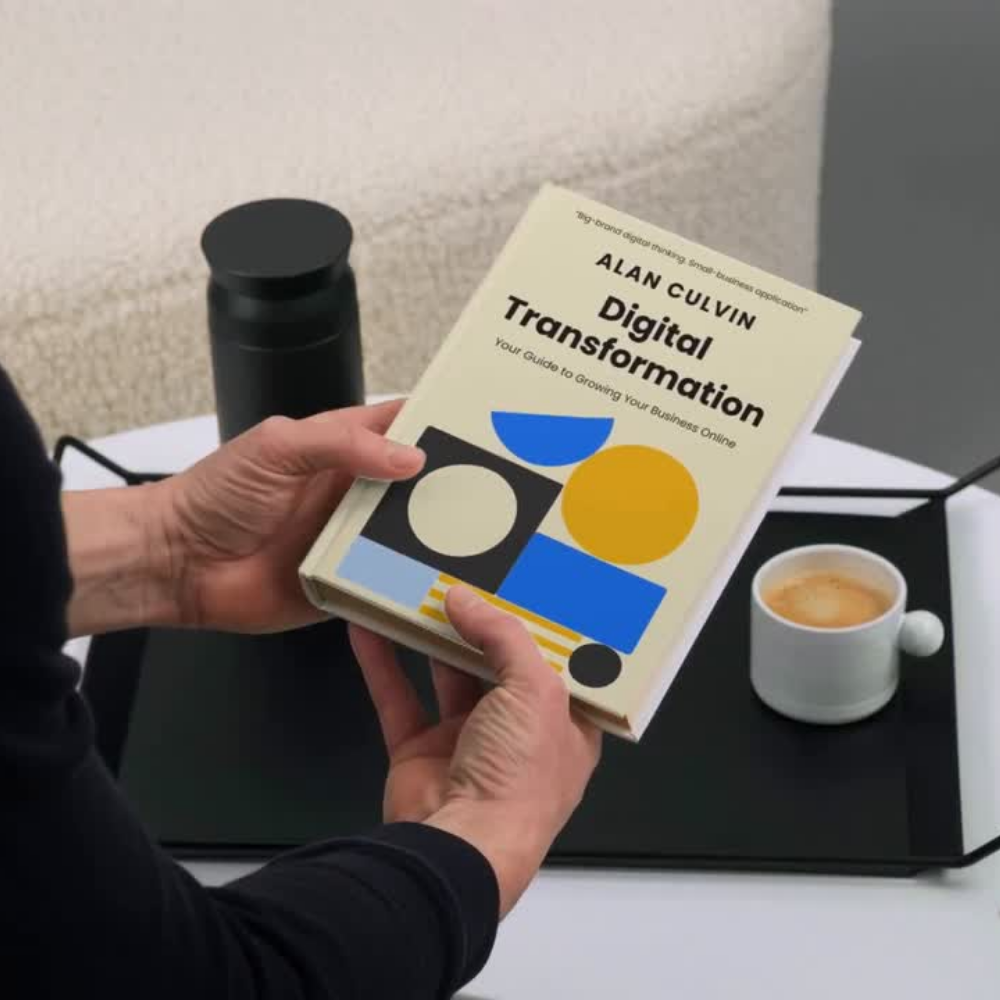
Oh yeah, i also wrote a book that tells you how to do it too... and it's free!
I’ve made this guide completely free for small business owners who want to modernise their website, systems, and digital tools without burning time or budget.
Inside, you’ll learn what really matters, what to ignore, and how to make confident digital decisions that support sustainable growth.
Trusted by businesses we’ve partnered with.
“Two Bears didn’t just redesign our website, they helped us rethink how the business works online. From authentication and trade pricing to UX, discounts, and automation, everything was approached with clarity and purpose. The end result is a platform we trust to support growth, not just look good.”
“Two Bears helped us turn our website into a proper lead-generation tool. The focus was on clarity, trust, and explaining our offer in a way customers actually understand. From structure and UX to content and SEO foundations, everything was approached strategically rather than just visually.”
A creative partner for long-term digital growth.