How to Improve a Small Business Website Without Starting From Scratch
Introduction
Many business owners assume that if their website is not performing well, the only solution is a complete rebuild.
In reality, that is often unnecessary.
Some of the most impactful improvements to a website come from relatively small adjustments to messaging, structure and usability. If your website already exists and is attracting visitors, optimising what is already there can deliver strong results.
For many Liverpool businesses, improving a website strategically is far more efficient than starting from scratch.
Improve Your Homepage Messaging
The homepage is often the first interaction someone has with your business.
Unfortunately, many websites open with vague headlines such as:
“Welcome to our website”
or
“Professional services you can trust.”
While these phrases sound positive, they do not clearly explain what the business actually does.
Strong homepage messaging should quickly communicate:
- what you do
- who you help
- where you operate
- why someone should choose you
For example, a clearer statement might be:
“Web design and digital growth strategy for businesses in Liverpool.”
Clear positioning dramatically improves engagement and reduces the chances of visitors leaving your site immediately.
You can see an example of this approach on our web design Liverpool service page, where the messaging focuses on how websites help businesses generate enquiries rather than simply exist online.
Simplify Your Navigation
Another common problem with small business websites is overly complex navigation.
When visitors arrive on your website, they should be able to understand the structure within seconds.
A simple website menu usually works best:
Home
Services
About
Case Studies
Contact
Reducing unnecessary pages helps users find the information they need more quickly.
Good navigation is one of the core principles of user experience design and is something we focus heavily on when developing websites for Liverpool service businesses.
Improve Calls to Action
Many websites fail to generate enquiries because visitors are never clearly invited to take the next step.
Calls to action guide users towards actions such as:
- requesting a quote
- booking a consultation
- submitting an enquiry
These prompts should appear throughout the website rather than only on the contact page.
For example, placing enquiry prompts at the end of service pages helps capture interest while visitors are already engaged with the content.
Add Trust Signals
Trust is a critical factor in whether someone chooses to contact a business.
Your website should demonstrate credibility through elements such as:
- testimonials from previous clients
- case studies
- examples of completed projects
- recognisable brands you have worked with
For many Liverpool businesses, local proof such as testimonials from nearby clients can significantly strengthen credibility.
Improve SEO Visibility
Even the best website cannot generate enquiries if nobody finds it.
Improving your website’s search visibility is one of the most effective ways to increase traffic.
This often involves:
- optimising page titles
- targeting relevant keywords
- publishing helpful blog content
- improving technical performance
For example, targeting searches such as web design Liverpool or Liverpool web designer helps local businesses appear when potential customers search for services nearby.
Final Thoughts
Improving a small business website does not always require a full rebuild.
In many cases, improving messaging, navigation, trust signals and calls to action can dramatically increase enquiries.
A website that clearly communicates expertise and guides visitors towards action becomes far more valuable as a business asset.
Your next stage of growth deserves more than quick fixes.
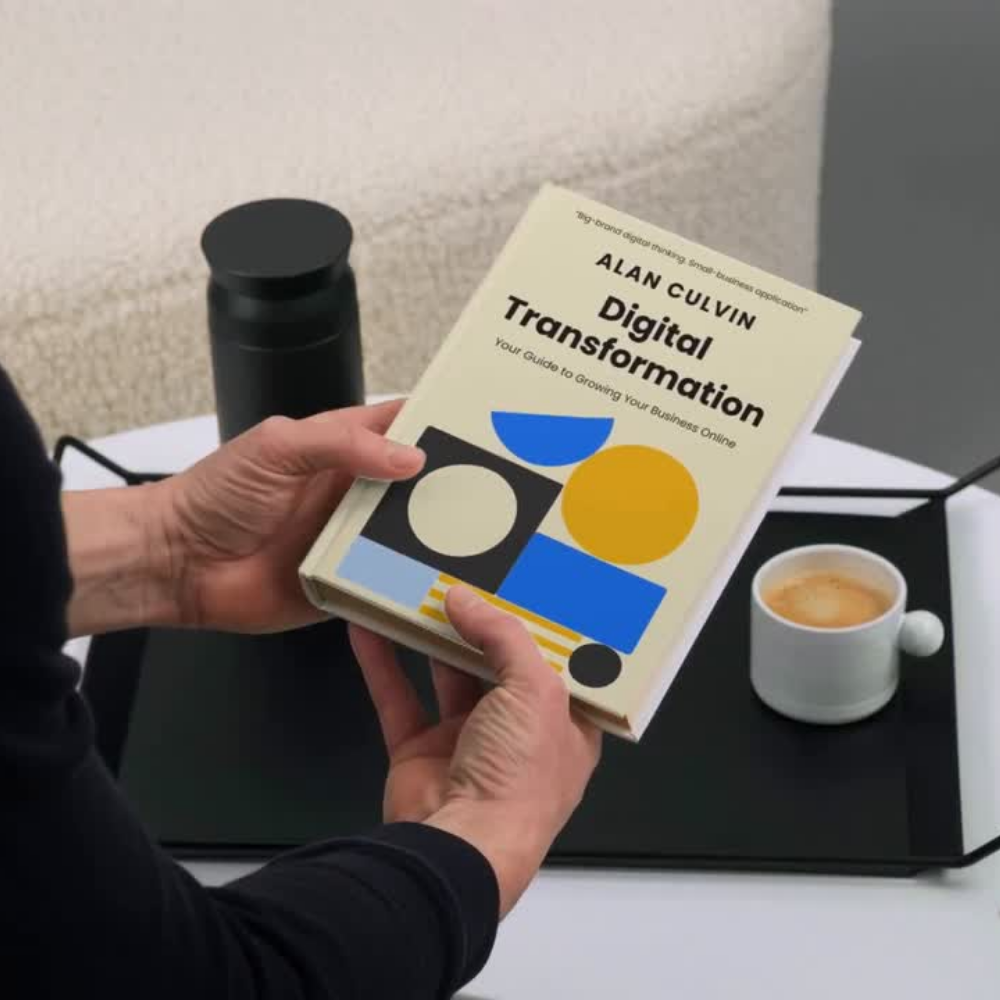
Oh yeah, i also wrote a book that tells you how to do it too... and it's free!
I’ve made this guide completely free for small business owners who want to modernise their website, systems, and digital tools without burning time or budget.
Inside, you’ll learn what really matters, what to ignore, and how to make confident digital decisions that support sustainable growth.
Trusted by businesses we’ve partnered with.
“Two Bears didn’t just redesign our website, they helped us rethink how the business works online. From authentication and trade pricing to UX, discounts, and automation, everything was approached with clarity and purpose. The end result is a platform we trust to support growth, not just look good.”
“Two Bears helped us turn our website into a proper lead-generation tool. The focus was on clarity, trust, and explaining our offer in a way customers actually understand. From structure and UX to content and SEO foundations, everything was approached strategically rather than just visually.”
A creative partner for long-term digital growth.